Explore how piano chord chart PDFs simplify learning by presenting chords in a clear, printable format. They combine visual diagrams with concise notation, enabling quick reference during practice or performance. Downloading or creating these PDFs enhances study efficiency. Quick chord lookup aids practice
1.1 What is a Piano Chord Chart?
A piano chord chart PDF is a digital document that visually represents the harmonic building blocks used in piano music. It condenses complex chord structures into a compact, printable format, allowing pianists to reference chord roots, extensions, and inversions at a glance. These charts typically display the chord’s name, the notes that compose it, and the fingerings that best suit the keyboard layout. By presenting the information in a PDF, musicians can easily download, print, or view the chart on any device, ensuring consistent access during rehearsal or performance.
Key features of a piano chord chart PDF include: for quick reference;!
- Chord Symbols: Standard notation such as Cmaj7, Am9, or G7#5 that conveys the chord’s quality and extensions.
- Note Breakdown: A list of individual pitches (C, E, G, B) that form the chord, often shown above or below the symbol.
- Progression Layout: Some PDFs arrange chords in common progressions, making it easier to study harmonic movement.
- Scalable Design: PDFs can be zoomed or printed at various sizes without loss of clarity.
These documents serve as an invaluable resource for students, teachers, and performers alike. They enable quick reference, reduce the need for memorizing complex chord shapes, and support the development of aural and theoretical understanding. Whether you’re learning a new piece, improvising, or composing, a piano chord chart PDF can streamline your workflow and enhance your musical expression

Types of Piano Chord Charts
Chord charts vary from simple root‑only diagrams to detailed progressions with inversions, extensions, and voicing options. Basic charts list chord names and notes, while advanced PDFs include fingerings, rhythmic notation, and dynamic markings, catering to beginners and seasoned players alike. for all skill
2.1 Standard Diagrams vs Advanced Progressions
Standard piano chord charts present each chord as a simple block of notes, often indicating only the root, third, and fifth. These diagrams are ideal for quick reference, allowing musicians to identify chord shapes without delving into complex theory. The layout typically uses a single line of notation, with chord names written above the corresponding notes. This format is especially useful for beginners who need to memorize basic voicings and for performers who require a fast lookup during live sessions. The simplicity of standard charts also makes them highly portable; they can be printed on a single sheet and carried in a pocket or a small case, ensuring that the essential harmonic framework is always at hand.
Advanced progressions, on the other hand, incorporate a richer set of musical information. These PDFs often include multiple voices, extensions such as sevenths, ninths, and thirteenths, as well as optional inversions and chord substitutions. The notation may also feature rhythmic values, dynamic markings, and articulations, providing a comprehensive guide that goes beyond mere note placement. Such charts are designed for seasoned players who need to navigate complex harmonic landscapes, such as jazz standards or contemporary pop arrangements. By offering detailed fingerings and voicing options, advanced progressions enable musicians to adapt chords to different musical contexts, whether they are improvising or performing a tightly arranged piece. The depth of information in these charts supports a deeper understanding of harmonic relationships and facilitates more expressive playing.
When choosing between standard diagrams and advanced progressions, consider the purpose of your practice or performance. If speed and accessibility are paramount, a standard chart will serve you well. If you aim to explore harmonic nuance or require a reference that supports intricate arrangements, an advanced PDF will provide the necessary detail. Many musicians find that maintaining a balanced library of both types allows them to transition seamlessly from foundational practice to sophisticated performance scenarios.
Ultimately, the choice between standard and advanced charts reflects your musical goals. Beginners often start with the concise, easy‑to‑read diagrams, then graduate to the more elaborate PDFs as their technique and theoretical knowledge grow.
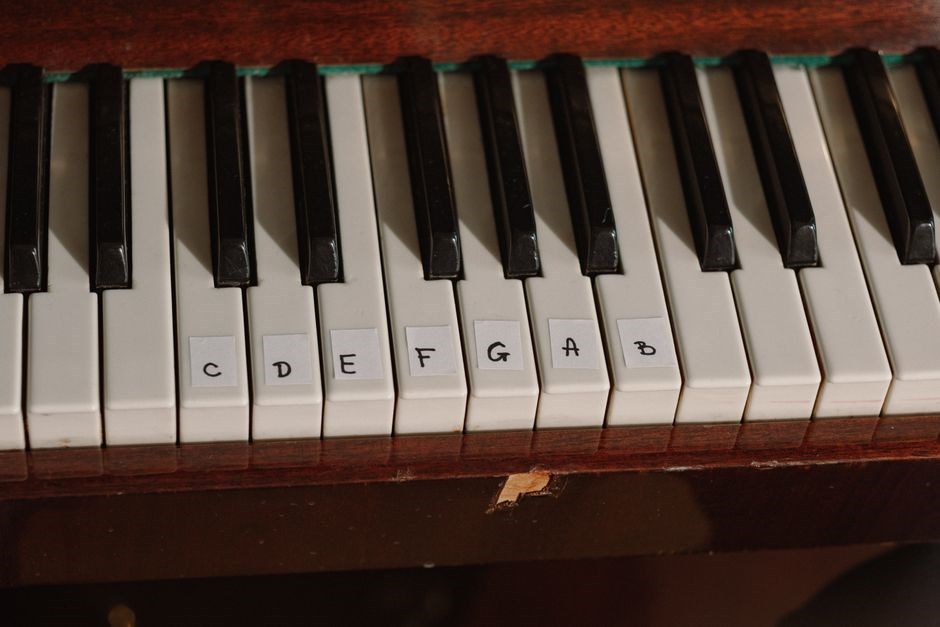
For educators, these PDFs offer a versatile teaching aid. By presenting chords in both simplified and complex forms, instructors can scaffold lessons, gradually increasing difficulty slowly and encouraging students to experiment with voicing and rhythmic variation.
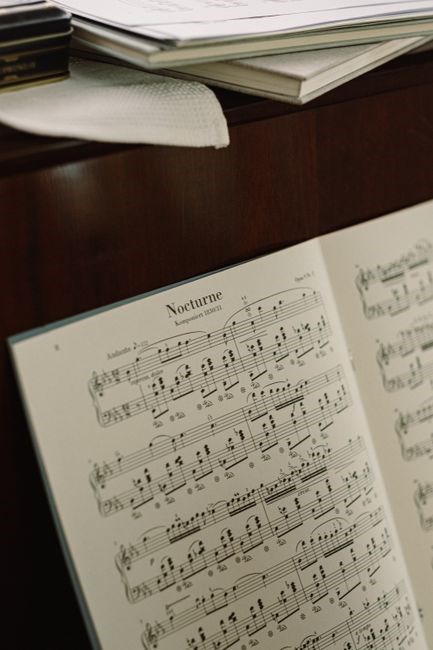
Reading & Interpreting Charts
Learn to decode chord charts by recognizing symbols, note groups, and rhythmic cues. Each chord block shows root, extensions, and inversions. Pay attention to key signatures, time signatures, and dynamic markings to interpret harmonic intent accurately. Use charts to build progressions and improv daily!!!.
3.1 Chord Symbols Explained
In a piano chord chart PDF, each chord symbol conveys a wealth of harmonic information at a glance. The basic format follows Root‑Quality‑Extensions (e.g., Cmaj7, Am7♭5). The root letter (C, D♭, F♯) indicates the tonal anchor. The quality marker—major (maj), minor (m), dominant (7), diminished (dim), augmented (aug), or suspended (sus)—defines the triad’s interval structure. Extensions like 9, 11, or 13 add color tones above the octave, while alterations (♭9, #11, ♭13) signal altered dominant or altered chords. Slash symbols (e.g., G/B) denote a specific bass note, creating a slash chord that often functions as an inversion or a bass‑line anchor. Inversions are also represented by numbers after the chord (e.g., C6/9‑2 indicates the second inversion). Added‑tone symbols (add9, add11) show non‑triadic tones that are not part of the standard extensions. The use of parentheses can group alterations or extensions, and the presence of a “♭” or “#” before a number indicates a lowered or raised tone. When reading a PDF, pay attention to the spacing: a space between the root and quality separates the chord from its extensions, while a slash introduces the bass. Understanding these conventions allows you to transpose, improvise, or analyze progressions efficiently, turning a static PDF into a dynamic learning tool. Additionally, many PDFs feature chord diagrams that show finger placement and voicing options, helping players visualize voicings and practice chord inversions efficiently smoothly and transitions daily.

Finding High-Quality PDFs
Discover reliable sources for piano chord chart PDFs by visiting official publisher sites, reputable music libraries, and trusted educational platforms. Look for clear diagrams, accurate notation, and downloadable formats. Verify file integrity and copyright compliance before printing or sharing. for players
4.1 Official Publisher Sites
Publisher catalogs are curated by editors who verify chord symbols, voicings, and progressions, ensuring PDFs match the original intent. Many include lead sheets, full scores, and videos, offering valuable resources for applying chord charts in rehearsal and performance. These tools aid novices and pros.

Creating Your Own PDFs
Create your own piano chord chart PDFs by compiling chord symbols, voicings, and progressions into a clean layout. Use notation software to design, then export as PDF. Customize fonts, spacing, and key signatures to match your style. Save, share, and print for practice or performance. Add notes for practice!
5.1 Using Music Notation Software

Music notation programs such as Sibelius, Finale, MuseScore, and Dorico allow pianists to design chord charts that can be exported directly as PDFs. The workflow begins with selecting the desired key signature and time signature, then entering chord symbols above the staff using the software’s chord symbol tool. This tool supports root notes, quality indicators, extensions, and alterations, ensuring that each chord is displayed accurately.
Once chord symbols are placed, users and can add voicing by inserting diagrams or placing notes in a separate staff. Many programs generate chord diagrams automatically. Advanced users can embed custom fingering annotations or link symbols to MIDI playback for rehearsal. The tool also supports chord inversion notation, making it easier to explore voicings. Users can export the chord charts to PDF directly from the software. This feature streamlines rehearsal and performance.
After arranging chords, the layout engine can be fine‑tuned. Adjusting spacing and aligning chord symbols with the staff ensures the final PDF is legible. Export options include PDF, PNG, and SVG, preserving vector quality for printing! The software exports to MIDI for DAW integration.
Many programs support batch exporting, letting musicians generate multiple chord charts at once. Saving the project file allows revisiting and editing charts later, adding new progressions or updating arrangements. This flexibility makes notation software indispensable for creating high‑quality piano chord charts. These charts are for reference during lessons today.

Legal & Copyright Issues
When distributing piano chord chart PDFs, ensure you have permission for copyrighted material. Use public domain or original charts, or obtain licenses. Unauthorized sharing can lead to infringement claims. Always cite sources and respect copyright laws. Adhereto licensingterm
6.1 Copyright Laws for Chord Charts
Copyright law protects musical works, including chord arrangements and their visual representations. When you create or distribute chord charts, you must consider whether the underlying composition is still under copyright. Most popular songs remain protected for several decades after publication, so reproducing their chord structures without permission can constitute infringement. Even if you simplify a piece or use a generic progression, the specific arrangement of chords tied to a particular song is typically protected. The U.S. Copyright Act treats arrangements as derivative works, requiring the original author’s consent for public use. In practice, this means that if you publish a PDF containing chord charts for a contemporary hit, you must secure a license from the rights holder or rely on a statutory exception such as fair use. Fair use is a narrow doctrine that evaluates factors like purpose, nature, amount, and effect on the market. For educational or noncommercial use, courts have sometimes found limited chord chart excerpts permissible, but the threshold is high; The safest route is to use public‑domain material or obtain explicit permission. Some publishers offer licensed chord chart collections that can be legally shared in PDF form. When distributing online, always include proper attribution and a link to the source. Failure to comply can lead to takedown notices, civil liability, or even criminal penalties in severe cases. Act responsibly now. This approach protects the musician’s legal standing and integrity of musical community!!!

Using PDFs in Practice
Integrating piano chord chart PDFs into rehearsal routines can streamline learning. Print charts covering the repertoire you want to master and place them on a stand for flipping while playing. Use the PDF as a reference for chord progressions, then close it and rely on muscle memory to internalize harmony. This trains your ear to recognize chord changes without constant visual aid, fostering independence. For ensemble work, share a digital copy with bandmates; each can annotate their PDF with tempo markings or dynamic cues. Many musicians use PDF viewers that allow zoom, highlight, or sticky notes, turning static charts into interactive tools. When preparing for a performance, compile the most used chord charts into a single PDF to reduce clutter and keep all material in one place. Finally, review progress by comparing the PDF’s symbols with recorded sessions; listening back confirms correct harmonies and lets you correct discrepancies. Consistent use turns PDFs from passive references into active components of your workflow!
Consider a PDF that includes both chord symbols and the bass line. This dual view shows how root notes align with the chord structure, reinforcing theory. If the PDF supports layers, toggle between the chord diagram layer and a notation layer to switch between visual and textual representations. Advanced editors can embed audio samples of chords; playing them while reading accelerates learning. For students, the PDF serves as a study guide: highlight key changes, annotate voicings, and note rhythmic alterations. When working with a teacher, bring the PDF to lessons to point out sections needing improvement. The teacher can give targeted feedback, which you can immediately apply by revisiting the PDF. Over time, the PDF becomes a living document that evolves with your skill level, adapting to new arrangements or stylistic nuances. Treating the PDF as a dynamic resource rather than a static sheet maximizes educational value and keeps engagement high during practice.
Keep the PDF updated as you learn new songs or discover alternate voicings. A well‑maintained set of chord chart PDFs becomes an indispensable toolkit supporting solo practice and collaboration. Use it daily for consistent progress.
Integrating piano chord chart PDFs into rehearsal routines can streamline learning. Print charts covering the repertoire you want to master and place them on a stand for flipping while playing. Use the PDF as a reference for chord progressions, then close it and rely on muscle memory to internalize harmony. This trains your ear to recognize chord changes without constant visual aid, fostering independence. For ensemble work, share a digital copy with bandmates; each can annotate their PDF with tempo markings or dynamic cues. Many musicians use PDF viewers that allow zoom, highlight, and sticky notes, turning static charts into interactive tools. When preparing for a performance, compile the most used chord charts into a single PDF to reduce clutter and keep all material in one place. Finally, review progress by comparing the PDF’s symbols with recorded sessions; listening back confirms correct harmonies and lets you correct discrepancies. Consistent use turns PDFs from passive references into active components of your workflow!
Whether you’re a beginner or a player, a PDF library keeps your repertoire handy. Track key signatures, tempo markings, and notes so you can revisit each piece you wishStorlets you swap between instruments or share charts without paper.!

Resources & Further Reading
Below is a curated list of websites, books, and software that provide high‑quality piano chord chart PDFs, tutorials, and community support. These resources and thorough and and cover free public‑domain collections to premium databases, helping you expand repertoire and learn theory and and
- IMSLP.org – A vast public‑domain library offering thousands of sheet‑music PDFs, including chord‑annotated scores for many classical pieces.
- Chordify.com – An online chord‑recognition tool that generates chord charts from any audio file; exportable as PDF for offline use.
- Songsterr.com – Interactive tabs and chord diagrams with printable PDF options; ideal for pop, rock, and jazz standards.
- MuseScore.com – Free notation software where you can download or compose chord charts, then export directly to PDF.
- Hal Leonard’s “Piano Chords” Series – Commercially published PDF collections covering major, minor, and extended chords with practice exercises.
- Hooktheory.com – Offers chord‑progression visualizers and downloadable PDFs for contemporary songwriting.
- Musicnotes.com – A marketplace for professionally scored PDFs, many of which include chord‑annotated piano charts.
- ChordPro – A plain‑text format that can be converted to PDF via various converters; great for quick chord‑chart creation.
- Flat.io – Cloud‑based notation editor with PDF export; supports collaboration on chord charts.
- Open Source Chord Charts – GitHub repositories hosting community‑maintained chord‑chart PDFs for popular songs.