Distal radius fracture rehabilitation begins with early mobilization and pain control, progressing to range‑of‑motion and strengthening. A downloadable PDF outlines safe exercises, timing, and progression criteria, ensuring patients regain function while protecting fracture healing. Follow PDF schedule for progress!

Clinical Practice Guidelines Overview
Guidelines from the Academy of Orthopaedic PT and the Academy of Hand and Upper Extremity PT recommend starting submaximal strengthening at 2 weeks post‑ORIF or during the second week of cast for fractures. The PDF details progression criteria, safety, and outcome benefits!!!.
Evidence-Based Recommendations
Clinical consensus, drawn from the Academy of Orthopaedic Physical Therapy and the Academy of Hand and Upper Extremity Physical Therapy, emphasizes initiating submaximal, progressive strengthening as early as two weeks after operative fixation or during the second week of cast immobilization for uncomplicated fractures. The downloadable PDF provides a structured progression: towel and putty squeezing, light‑load gripping, and wrist range‑of‑motion exercises. Evidence indicates that early, controlled loading improves pain, wrist active range of motion, grip strength, and functional capacity up to six months post‑injury, with negligible risk of compromising fracture healing. The guidelines recommend monitoring pain, swelling, and alignment, and adjusting the program when any adverse signs appear. Adhering to the PDF’s stepwise protocol ensures that patients achieve optimal recovery while safeguarding bone union and joint integrity;
The PDF also outlines specific criteria for progression, including pain tolerance, swelling control, and functional milestones. Patients are advised to perform exercises in sets of 10 repetitions, 3 times daily, and to increase load only when pain remains below 3 on a 0–10 scale. The guidelines emphasize the importance of patient education, adherence to home exercise programs, and regular follow‑up appointments to assess healing progress and adjust the regimen accordingly. Adherence to the structured protocol has been shown to reduce the risk of re‑injury and improve long‑term functional outcomes. Consistent practice helps.
Timing of Initiation
The timing of exercise initiation is critical to balance fracture healing with functional recovery. According to the Academy of Orthopaedic Physical Therapy and the Academy of Hand and Upper Extremity Physical Therapy guidelines, submaximal, progressive strengthening should begin as early as two weeks following operative fixation of a distal radius fracture. For patients managed non‑operatively with a cast, the second week of immobilization is recommended for uncomplicated fractures that demonstrate stable radius‑ulna alignment, satisfactory articular congruity, and absence of ulnar‑side pain. Initiating exercises during this window has been shown to improve short‑term outcomes—pain reduction, wrist active range of motion, grip strength, and functional capacity—up to six months post‑injury, while posing negligible risk to fracture union. The PDF exercise protocol specifies that patients should first perform low‑load activities such as towel and putty squeezing, progressing to light‑load gripping only when pain remains below a 3 on a 0–10 scale and swelling is controlled. Clinicians should assess radiographic stability, patient comfort, and functional milestones before advancing the program. Early initiation also facilitates neuromuscular re‑education and prevents stiffness, but must be individualized based on healing status and patient tolerance. Regular follow‑up appointments allow for adjustment of load, range, and frequency to ensure optimal recovery while safeguarding bone integrity. Moreover, the structured progression outlined in the PDF aligns with evidence that controlled loading promotes callus remodeling and reduces the likelihood of malunion, thereby supporting a smoother return to daily activities. Patients are instructed to perform each exercise set three times daily, with 10 repetitions per set, and to increase load only when pain remains minimal and functional goals are met. This systematic approach ensures that strength gains are achieved without compromising the biological healing process. The guidelines also recommend incorporating gentle wrist flexion and extension movements within the pain‑free range, as well as forearm pronation and supination, to maintain joint mobility. By adhering to the PDF’s evidence‑based schedule, clinicians can provide a roadmap for patients, fostering confidence and adherence throughout the rehabilitation journey.

Early Phase Exercises (Weeks 2-4)
Begin with gentle wrist flexion/extension, forearm pronation/supination, and light towel squeezes. Perform 10 reps, 3 sets daily. Progress to putty squeezing when pain <3/10. Follow PDF guidelines for load, frequency, and pain monitoring to ensure safe healing. Add 2 sets.
Towel and Putty Squeezing
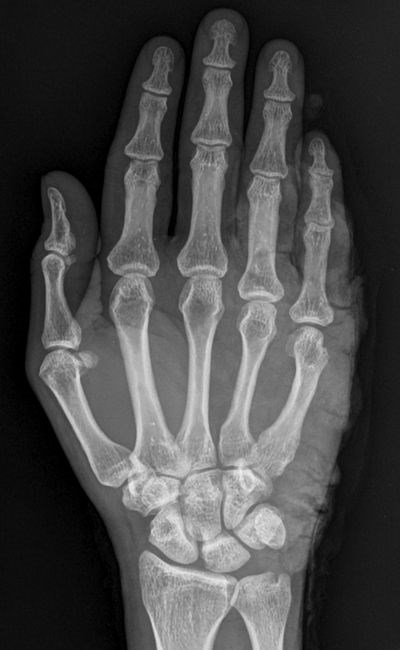
According to the latest clinical practice guidelines, the first week after a stable distal radius fracture repair is the optimal time to introduce submaximal strength training. Towel and putty squeezing exercises are recommended as foundational movements because they engage the intrinsic wrist flexors and extensors without imposing excessive load on the healing bone. The technique involves holding a soft towel or medical putty between the thumb and fingers, then applying a gentle, controlled squeeze. Patients should perform 10 repetitions, 3 sets, once daily, and progress only when pain is less than 3 on a 0–10 numeric rating scale. The guidelines emphasize that the squeeze should be performed slowly, with a 3‑second contraction and a 3‑second release, to maximize muscle activation while minimizing shear forces across the fracture site. The progression criteria are clear: increase the number of sets by one when the patient reports no pain and can complete the current load comfortably. If swelling or discomfort occurs, the load should be reduced or the exercise temporarily discontinued. This approach aligns with the International Classification of Functioning, Disability, and Health framework, prioritizing functional recovery while safeguarding structural integrity. By integrating these exercises into a structured home program, patients can achieve significant improvements in grip strength, wrist range of motion, and overall functional capacity within the first six months post‑repair, all while maintaining a negligible risk of compromising fracture healing. Stay. Keep

Light-Load Gripping Exercises
Light‑load gripping exercises are a cornerstone of the early strengthening phase following a stable distal radius fracture repair. The American Physical Therapy Association’s joint guidelines recommend beginning these movements at the end of the second week post‑operatively, provided the fracture alignment remains satisfactory and no ulnar‑side pain is present. The exercises involve using a soft rubber ball, a therapy putty, or a light hand‑grip device that does not exceed 5 lb of resistance. Patients perform 10–15 repetitions per set, 2–3 sets, once daily. Each contraction should last 3 seconds with a 3‑second release, allowing the wrist flexors, extensors, and intrinsic muscles to contract eccentrically and concentrically without over‑loading the healing bone. Progression is guided by pain and functional tolerance: increase the resistance by 1 lb or add an additional set only when the patient reports less than 3 on a 0–10 pain scale and can complete the current load without swelling or discomfort. The goal is to achieve a grip strength of at least 60 % of the contralateral side by 12 weeks, which correlates with improved activities of daily living. Monitoring should include weekly strength testing with a dynamometer and patient‑reported outcomes such as the Disabilities of the Arm, Shoulder and Hand questionnaire. If pain spikes or range of motion stalls, the load should be reduced or the exercise paused until the next assessment. By adhering to these structured parameters, patients can safely rebuild functional grip while minimizing the risk of refracture or malunion. Stay focused, follow the prescribed protocol, and consult your therapist for individualized adjustments. This section is part of a comprehensive PDF guideThis section is part of a comprehensive PDF guideThis section is part of a comprehensive PDF guideThis section is part of a comprehensive PDF guideThis section is part of a comprehensive PDF guide!.

Progressive Strengthening Protocol
Begin submaximal strengthening at 2 weeks post‑repair with towel and putty squeezing, progressing to light‑load grips. Increase resistance by 10 % when pain <3/10, 2–3 sets, 10–15 reps. Monitor grip strength weekly, adjust load accordingly to avoid overload. Log daily.keep.!!!
Submaximal Progression Criteria
Submaximal progression after a distal radius fracture is a structured, evidence‑based approach that balances functional gains with fracture healing safety. The Academy of Orthopaedic Physical Therapy and the Academy of Hand and Upper Extremity Physical Therapy recommend initiating submaximal strengthening at two weeks post‑repair or during the second week of cast immobilization for uncomplicated cases. The criteria below, drawn from these guidelines and recent biomechanical studies, provide a clear framework for when to increase load, volume, or exercise complexity.
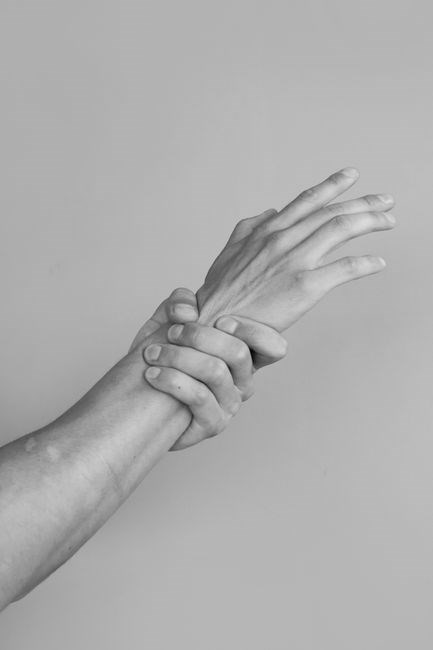
- Pain tolerance: Pain must be ≤3/10 during or after the session. Any increase in pain requires a pause and reassessment.
- Range of motion (ROM): Achieve ≥90% of the contralateral wrist’s active flexion, extension, radial and ulnar deviation, and forearm pronation/supination. ROM should be pain‑free and reproducible.
- Grip strength: Reach ≥70% of the unaffected hand’s grip strength measured with a calibrated dynamometer. Strength should be consistent across multiple trials.
- Functional task performance: Successfully complete tasks such as opening a jar, turning a key, or lifting a 1–2 kg object without assistance or compensatory movements.
- Exercise compliance: Documented adherence to the prescribed home program, with at least 80% of scheduled sessions completed over the past week.
- Radiographic stability: Serial X‑rays show maintained alignment, no new displacement, and no signs of delayed union or hardware irritation.
- Progression safety window: Do not exceed a 10–15% load increase per week, and limit total weekly volume to two additional sets per exercise. If pain rises above threshold, revert to the previous load;
When all criteria are satisfied, progression can proceed by adding a light‑load gripping exercise (e.g., a weighted putty ball) or increasing the resistance of a towel squeeze by 10%. Each progression should be tested within 48–72 hours to confirm tolerance. Therapists should supervise the first two sessions of progression to ensure proper technique and to educate patients on warning signs such as swelling, tingling, or new pain. All progression decisions and patient responses should be recorded in a structured log for continuity of care.
Patients should also be instructed to monitor for signs of complications, such as increased swelling, numbness, or new pain, and to report them immediately. Regular follow‑up appointments every 2–4 weeks allow for objective reassessment and timely adjustment of the program. By adhering to these submaximal progression criteria, clinicians can optimize recovery while minimizing the risk of refracture or hardware failure.
Clinicians should document each progression step in the electronic health record for audit and quality improvement.

Home Exercise Program for ORIF Patients
Patients should perform daily wrist flexion/extension, radial/ulnar deviation, and forearm pronation/supination using a towel or putty. Add light grip exercises with a soft ball. Perform 3 sets of 10 reps, 5 days a week, progressing load every two weeks if pain‑free. Use a resistance band for wrist flexion daily.
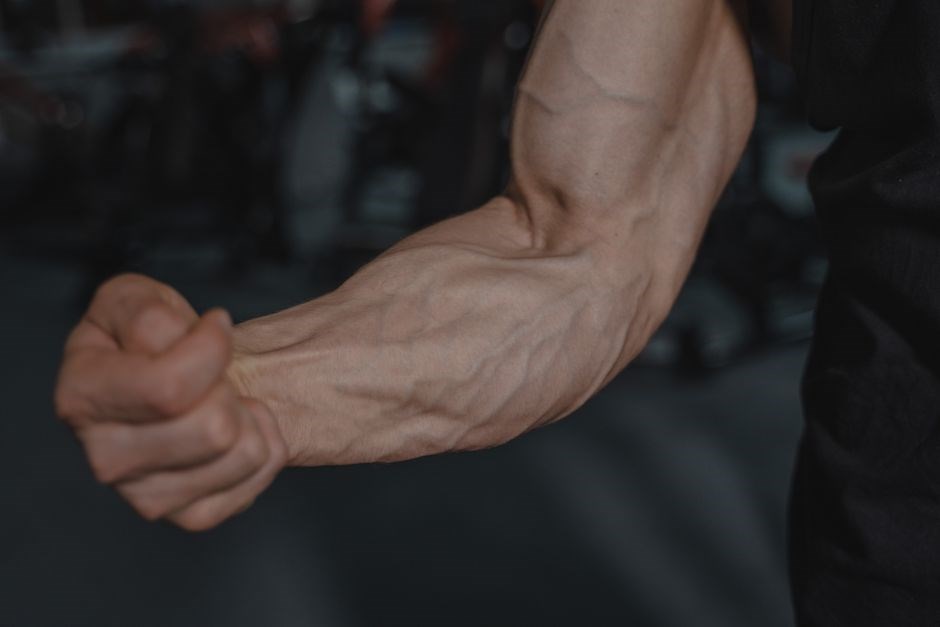
For patients who have undergone open reduction and internal fixation (ORIF) of a distal radius fracture, a structured home exercise program (HEP) is essential for restoring motion, strength, and functional capacity. The selection of exercises follows the International Classification of Functioning, Disability, and Health (ICF) framework, targeting body‑structure impairments, activity limitations, and participation restrictions. The recommended set focuses on three domains: range‑of‑motion (ROM), progressive strengthening, and functional task practice. ROM exercises include wrist flexion, extension, radial and ulnar deviation, and forearm pronation/supination, performed in a pain‑free arc and progressing from 10° increments to full ROM over 12 weeks. Strengthening begins with submaximal loads such as towel or putty squeezing, light‑load gripping with a soft ball, and wrist flexion/extension using a resistance band. Progression criteria are pain tolerance, absence of swelling, and ability to perform the next load level for two consecutive sessions. Functional tasks simulate daily living activities—picking up a cup, turning a key, opening a jar—to integrate motor control. Frequency guidelines recommend ROM and strengthening exercises three times, each lasting 10–15 minutes, and functional practice twice, focusing on movement quality. The HEP is documented in a PDF, including visual cues, progression milestones, and safety precautions. Regular review by a physical therapist every four weeks allows adjustment of load, range, and task complexity, ensuring optimal recovery while minimizing re‑injury risk. By adhering to this evidence‑based protocol, patients achieve significant improvements in grip strength, wrist mobility, and upper‑extremity function over six months. Adherence is monitored via a log sheet, recording completion, pain levels on a 0–10 scale, and adverse symptoms. Clinicians with data to tailor the program. Thanks.
Monitoring and Adjustments
Monitoring is a cornerstone of a successful distal radius fracture rehabilitation program. Patients should record pain intensity, swelling, and functional performance after each session in a simple log. A pain scale of 0–10, with 0 meaning no pain and 10 indicating worst pain, allows objective tracking.
Swelling should be noted in centimeters at the wrist and forearm. Functional performance can be assessed by timed tasks such as picking up a 500‑ml bottle or turning a key.
Every four weeks, the patient should review the log with a clinician to determine if progression is appropriate. If pain remains above 4 on the scale or swelling exceeds 2 cm, the program should be paused or reduced. Conversely, if pain is below 2 and swelling is minimal, the clinician may increase resistance or add new functional tasks.
Adjustments also consider patient‑reported fatigue and sleep quality, as these influence healing. The clinician may introduce higher‑resistance bands or light dumbbells once the patient can perform 90% of the prescribed range without discomfort.
If the patient experiences a new symptom such as numbness or tingling, the program must be halted and medical evaluation sought.
The PDF guide includes a decision tree for these scenarios, ensuring safe progression.
Regular communication via telehealth or in‑person visits keeps the patient accountable and allows real‑time modifications.
By systematically monitoring these parameters, the rehabilitation plan remains patient‑centered and evidence‑based, maximizing functional recovery while safeguarding bone healing.
Stay nowconsistent and consult your therapist for concerns.

Resources and PDF Downloads
Access mobile app that syncs with PDF log, sending reminders for each session. The app includes pain tracker and visual progress bar that updates as exercises are completed. For those who prefer paper, laminated wrist‑band chart outlines recommended progression steps and key warning signs. Video series demonstrates proper hand positioning during towel squeezing and light‑load gripping, emphasizing joint alignment and muscle activation. These tools reinforce written protocol, enhance adherence, and provide immediate feedback, leading to smooth transition to independent rehabilitation.rehabilitation.Thanks