Piano Sight Reading Practice PDF: A Comprehensive Plan
Developing fluent piano playing hinges on consistent sight-reading; PDF resources offer structured exercises for all levels, enhancing note recognition and rhythmic precision․
Understanding Sight Reading
Sight reading, at its core, is the ability to perform a piece of music accurately at first glance, without prior practice․ For pianists, this skill transcends mere note-playing; it’s about instantaneous musical comprehension․ It demands a rapid translation of symbols on the page – notes, rhythms, dynamics, and articulation – into coordinated physical actions at the keyboard․
Effective sight reading isn’t about playing perfectly, but about maintaining a steady tempo and minimizing errors․ It’s a crucial skill for accompanying, learning new repertoire quickly, and participating in ensemble performances․ PDF resources play a vital role here, providing a consistent and accessible platform for focused practice․ These materials often isolate specific challenges, like key signatures or rhythmic patterns, allowing for targeted improvement․
Ultimately, sight reading is a learned skill, built through dedicated practice and a deep understanding of musical theory․ It’s a cornerstone of musical literacy, empowering pianists to navigate a vast landscape of musical scores with confidence and fluency․
The Importance of Regular Practice
Consistent practice is paramount when developing sight-reading proficiency․ Sporadic attempts yield limited results; short, frequent sessions are far more effective․ Even 15-20 minutes daily can dramatically improve your ability to decode musical notation quickly and accurately․ PDF resources facilitate this regularity, offering readily available exercises at your fingertips․
Regular sight-reading practice strengthens the neural pathways between visual information and motor skills․ This translates to faster reaction times and reduced hesitation at the keyboard․ It’s not about speed initially, but about building a solid foundation of accuracy․ Utilizing a variety of PDF materials – from beginner exercises to more complex pieces – keeps practice engaging and prevents plateaus․
Think of sight-reading as a mental workout․ The more you practice, the stronger your “musical muscles” become, enabling you to tackle increasingly challenging scores with ease and confidence․
Benefits of Using PDF Resources
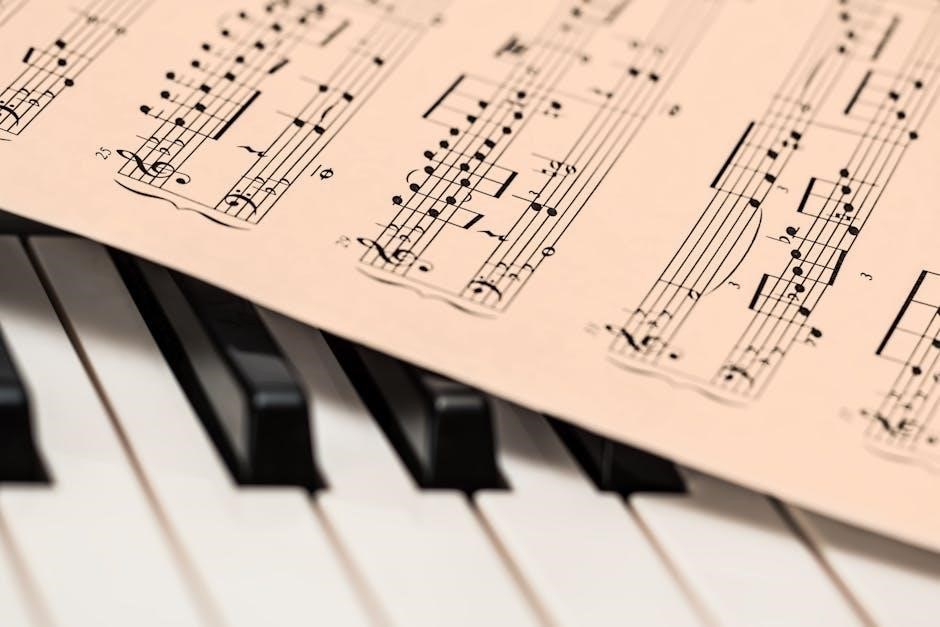
PDF resources offer unparalleled convenience and accessibility for piano sight-reading practice․ They eliminate the need for physical sheet music, reducing clutter and cost․ Downloadable PDFs are instantly available on various devices – computers, tablets, and smartphones – allowing practice anytime, anywhere․ Many resources, like those from Piano Safari and ABRSM, provide structured exercises tailored to different skill levels․
Furthermore, PDFs are easily printable, enabling traditional practice methods with marked-up scores․ Digital annotation tools allow for highlighting, fingerings, and other personalized notes without damaging the original․ The availability of free PDF exercises, such as Vargasflavio’s collection, makes consistent practice financially feasible․
The format also supports integration with MIDI files, enhancing learning through aural reinforcement․ Ultimately, PDFs democratize sight-reading practice, making quality materials readily available to all pianists․
Top PDF Resources for Piano Sight Reading

Numerous online platforms offer valuable PDF resources for piano sight-reading․ Piano Safari provides structured sight-reading PDFs integrated with their method books, focusing on progressive skill development․ ABRSM (Associated Board of the Royal Schools of Music) offers official sight-reading test papers in PDF format, ideal for exam preparation and assessment․
Vargasflavio’s exercises, freely available as PDFs, present a comprehensive collection of sight-reading material, including exercises 1-20 and beyond, suitable for various levels․ Augeners Op․ 45 remains a classic choice, offering traditional sight-reading studies in PDF form․

Additionally, resources compiling 354 exercises in C position provide a solid foundation for beginners․ Don’t overlook free collections offering 50 monumental exercises, downloadable and printable for convenient practice․ These diverse PDF options cater to all pianists seeking to refine their sight-reading abilities․
Piano Safari Sight Reading PDFs
Piano Safari integrates sight-reading exercises directly within its comprehensive piano method․ Their PDF resources aren’t standalone collections, but rather components of a larger curriculum, ensuring a progressive and contextual learning experience․ These PDFs focus on building fundamental skills alongside repertoire, rather than isolated drills․
The sight-reading materials are designed to reinforce concepts introduced in the corresponding lesson books․ Expect a gradual increase in complexity, introducing new rhythms, key signatures, and note values incrementally․ Piano Safari’s approach emphasizes musicality even within sight-reading practice, encouraging students to interpret and express the music․
While not offering a vast library of independent PDFs, the integrated nature of Piano Safari’s materials provides a structured and effective path for developing sight-reading proficiency, particularly for students following their method․
ABRSM Sight Reading Tests (PDFs)
The Associated Board of the Royal Schools of Music (ABRSM) provides official sight-reading test papers in PDF format, mirroring the actual exam experience․ These are invaluable for focused practice, particularly for students preparing for ABRSM exams, but beneficial for any pianist seeking rigorous training․
ABRSM tests are categorized by grade (1-8), offering appropriately challenging material for all skill levels․ Each PDF contains a selection of unseen pieces, designed to assess a candidate’s ability to accurately read and perform music at first sight․ The tests emphasize technical accuracy, rhythmic stability, and musical understanding․

Using these PDFs allows pianists to simulate exam conditions, building confidence and stamina․ Regularly practicing with ABRSM materials is a highly effective way to improve sight-reading skills and prepare for formal assessments․
Vargasflavio Sight Reading Exercises (PDFs)
Vargasflavio offers a substantial collection of piano sight-reading exercises available as free PDF downloads․ These exercises are particularly popular due to their progressive difficulty and focus on fundamental skills․ The collection includes exercises specifically designed for beginners, gradually increasing in complexity to challenge more advanced players․
The exercises often emphasize clear notation and straightforward rhythms, making them ideal for developing accurate note reading and rhythmic precision․ Many sets focus on specific technical challenges, such as scales, arpeggios, and chord progressions, presented in a sight-reading context․
Downloading and utilizing Vargasflavio’s PDFs provides a cost-effective and accessible way to supplement regular practice․ The availability of MIDI files alongside the sheet music allows for self-assessment and a deeper understanding of the musical material․
Augeners Op․ 45 – Classic Sight Reading Material
Augeners Op․ 45 represents a cornerstone of piano sight-reading literature, offering a time-tested and highly respected collection of exercises․ This classic material, readily available in PDF format, provides a systematic approach to developing sight-reading proficiency․ The exercises are carefully graded, starting with simple melodic and rhythmic patterns and progressively introducing more complex challenges․
The collection focuses on clarity and musicality, encouraging students to not only read the notes accurately but also to interpret the music with expression․ Augeners Op․ 45 is particularly valuable for its emphasis on diatonic harmony and common musical idioms․
Utilizing this PDF resource allows pianists to build a strong foundation in sight-reading, enhancing their ability to quickly and accurately decipher unfamiliar scores․ It remains a staple in many piano curricula and is highly recommended for players of all levels․
Sight Reading Exercises for Different Skill Levels
Effective piano sight-reading practice necessitates tailored exercises based on skill level․ Beginner PDF resources, like those offering 354 exercises in C position, focus on basic note recognition and simple rhythms․ These build a foundational understanding before progressing․
Intermediate players benefit from PDFs with more complex key signatures, varied rhythms, and increasingly challenging melodic lines․ ABRSM sight-reading tests, available as PDFs, provide structured practice at this stage․
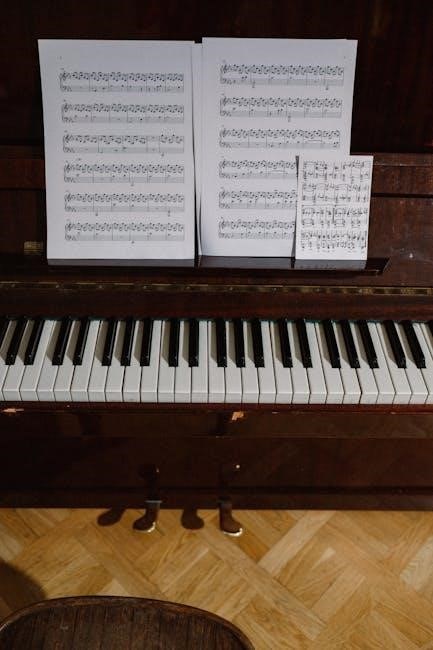
Advanced pianists require exercises that demand quick adaptation to unfamiliar styles, complex harmonies, and intricate rhythms․ Resources like Piano Safari and Vargasflavio offer advanced PDF materials․ Consistent practice, utilizing appropriately leveled PDFs, is crucial for continuous improvement․
Beginner Level Exercises (PDF Focus)
Beginner piano sight-reading PDFs prioritize foundational skills․ Many resources, including those with 354 exercises in C position, concentrate on recognizing notes within a limited range and mastering simple rhythmic values – quarter, half, and whole notes․
PDF exercises at this level often feature single-hand melodies, gradually introducing both hands․ The focus is on accuracy over speed, building confidence and establishing a strong connection between notation and keyboard․
Free downloadable PDFs, like “Piano Sight Reading Exercises for Beginners,” offer 19 progressively challenging exercises․ These materials emphasize clear notation and repetitive patterns, solidifying fundamental sight-reading abilities․ Consistent, slow practice with these PDFs is key to success․
Intermediate Level Exercises (PDF Focus)

Intermediate piano sight-reading PDFs expand upon foundational skills, introducing more complex rhythms – including eighth notes – and a wider range of notes across the keyboard․ Key signatures beyond C major begin to appear, demanding quick key signature recognition․
PDF resources at this stage often incorporate two-hand coordination exercises with slightly more intricate patterns․ Expect to encounter dotted rhythms and simple syncopation, challenging rhythmic accuracy․ ABRSM sight-reading tests (PDF format) are excellent for this level․
Piano Safari sight-reading PDFs provide structured progression, while collections like Augeners Op․ 45 offer classic material․ The goal is to increase reading speed while maintaining accuracy, preparing for more demanding repertoire․
Advanced Level Exercises (PDF Focus)
Advanced piano sight-reading PDFs present significant challenges, featuring complex rhythms, irregular time signatures, and extensive use of accidentals․ Expect rapid key changes and polyrhythms, demanding exceptional note recognition and rhythmic stability․
PDF materials at this level often include pieces with elaborate ornamentation and varied textures, requiring quick adaptation and interpretive skills․ ABRSM sight-reading tests (PDFs) at higher grades are invaluable for preparation․
Focus shifts to maintaining musicality while sight-reading at tempo․ PDF collections may include excerpts from classical repertoire, pushing the boundaries of reading proficiency․ Consistent practice with challenging materials is crucial for developing fluency and confidence․
Specific Exercise Types Found in PDFs
Piano sight-reading PDFs commonly feature diverse exercise types designed to target specific skills․ Note recognition drills isolate reading individual notes, often progressing through different clefs and registers․ Rhythm accuracy exercises focus on mastering complex rhythmic patterns, including syncopation and tuplets․
Key signature practice reinforces the ability to quickly identify and apply key signatures, minimizing hesitation․ Many PDFs include exercises centered around scales and arpeggios in various keys, building fluency․ You’ll also find exercises emphasizing dynamics and articulation․
Furthermore, some resources, like Vargasflavio’s exercises, offer progressive challenges, while others, such as those in C position, build foundational skills․ These varied approaches ensure comprehensive development․
Note Recognition Drills
Effective note recognition drills within PDF piano sight-reading materials prioritize speed and accuracy․ These exercises often begin with identifying notes within the staff, gradually expanding to include ledger lines and different clefs – treble, bass, and sometimes alto or tenor․
Many PDFs present notes in isolation, then in simple melodic fragments, forcing the pianist to instantly recall their position on the keyboard․ Progressive drills introduce accidentals (sharps and flats), demanding quick adaptation․
Repetitive practice, coupled with focused attention, builds a strong connection between visual notation and tactile keyboard response․ Resources like Piano Safari and Augeners Op․ 45 incorporate these drills, fostering automaticity and reducing reliance on note-by-note deciphering․
Rhythm Accuracy Exercises
PDF-based piano sight-reading practice heavily emphasizes rhythm accuracy, often starting with simple time signatures like 4/4 and 3/4․ Exercises progressively introduce dotted notes, rests, and syncopation, challenging the pianist’s internal pulse and counting skills․
Effective drills isolate rhythmic patterns, requiring clapping or tapping before transferring them to the piano․ PDF resources frequently present exercises with minimal melodic content, forcing concentration solely on rhythmic precision․
Gradual increases in complexity – incorporating tuplets, irregular groupings, and changing time signatures – build rhythmic fluency․ Materials from ABRSM sight-reading tests and Vargasflavio exercises are particularly strong in this area, demanding consistent and accurate rhythmic execution․
Key Signature Practice
Piano sight-reading PDF resources systematically incorporate key signature practice, moving beyond C major to progressively introduce sharps and flats․ Exercises often focus on keys with one or two sharps/flats initially, building familiarity with altered notes․
Effective PDF materials present exercises grouped by key, allowing focused practice on specific accidentals․ Regular exposure to different key signatures reinforces note recognition and minimizes hesitation during sight-reading․
Augeners Op․ 45 and Piano Safari PDFs are valuable for this, offering a wide range of exercises in various keys․ Practicing scales and arpeggios in conjunction with sight-reading reinforces key signature understanding․ Consistent practice builds automaticity, enabling quicker and more accurate note identification․
“Joining the Dots” by Alan Bullard – A Detailed Look
“Joining the Dots” is a highly regarded piano sight-reading book by Alan Bullard, frequently available as a PDF․ It’s designed to build students’ confidence and skill in reading music, progressing systematically through various levels․
The book features sections dedicated to different keys, starting with easier material and gradually increasing in complexity․ Warm-up exercises prepare students for sight-reading, while short pieces provide practical application of learned skills․
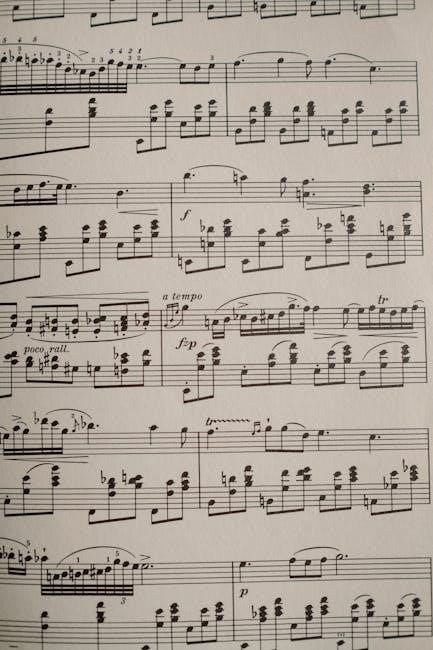
A key strength is its focus on developing aural skills alongside reading ability․ Improvisation opportunities encourage musicality and creativity․ “Joining the Dots” allows self-paced learning, making it suitable for independent study or use with a teacher, and is a popular PDF resource․
Structure and Content of “Joining the Dots”
“Joining the Dots” by Alan Bullard is meticulously structured to facilitate progressive skill development in sight-reading, often accessed as a convenient PDF․ The book is divided into sections based on key signatures, beginning with C major and gradually introducing sharps and flats․
Each section contains warm-up exercises designed to familiarize students with the key’s accidentals and common patterns․ These are followed by a series of short, sight-reading pieces of increasing difficulty․ The exercises emphasize rhythmic accuracy and note recognition․
Furthermore, the book incorporates opportunities for improvisation, encouraging students to apply their reading skills creatively․ Its clear layout and logical progression make it an effective PDF resource for both self-study and guided instruction, building confidence and fluency․

Developing Aural Skills with “Joining the Dots”
“Joining the Dots” isn’t solely about visual note recognition; it actively cultivates aural skills, making it a valuable PDF resource․ By consistently sight-reading the exercises, students internalize harmonic progressions and melodic contours․
The book’s emphasis on playing through pieces, rather than analyzing them extensively beforehand, forces students to rely on their ear to correct mistakes and anticipate upcoming notes․ This fosters a stronger connection between what they see on the page and what they hear․
The inclusion of improvisation sections further enhances aural development, requiring students to create melodies and harmonies spontaneously․ Utilizing this PDF material regularly improves not only sight-reading but also musical intuition and overall musicianship․
Maximizing Your Practice with PDF Materials
PDF resources offer unparalleled flexibility for piano sight-reading practice․ Printing allows for annotation – marking key signatures, accidentals, or tricky rhythms directly onto the sheet music, aiding comprehension and retention․
Setting realistic goals is crucial; start with shorter, simpler exercises and gradually increase complexity․ Consistent, focused practice, even for 15-20 minutes daily, yields better results than infrequent, lengthy sessions․ Tracking progress, perhaps by noting completion times or identifying recurring errors, reveals weaknesses․
Supplementing PDF practice with MIDI files can be beneficial․ Hearing the piece played correctly reinforces correct rhythms and phrasing․ Remember to prioritize accuracy over speed initially, building a solid foundation for fluent sight-reading․
Printing and Annotating PDFs
The beauty of PDF sight-reading materials lies in their printability, enabling a tactile learning experience․ Printing allows for direct annotation – a powerful technique for focused practice․ Use pencils to mark key signatures, accidentals, or challenging rhythmic patterns before playing․

Highlighting potential problem areas proactively reduces hesitation during performance․ Consider color-coding: perhaps blue for fingerings, red for dynamics, and green for phrasing․ This visual reinforcement aids memorization and improves reading speed․
Experiment with different paper sizes and weights to find what suits your preference․ Ensure clear printing quality for easy readability․ Regular annotation transforms static PDFs into personalized learning tools, maximizing practice efficiency and comprehension․
Setting Realistic Goals for Sight Reading Practice
Effective sight-reading practice demands achievable goals․ Avoid overwhelming yourself with overly complex pieces initially; Begin with short, simple exercises from PDF resources, focusing on accuracy over speed․ Aim to play through a piece once without stopping, even if it’s slow and hesitant․
Gradually increase the difficulty and length of exercises as your skills improve․ Set daily or weekly targets – perhaps completing five new exercises or improving accuracy on previously attempted ones․ Consistency is key; short, regular sessions are more beneficial than infrequent, lengthy ones․
Celebrate small victories and acknowledge areas for improvement․ Remember, sight-reading is a skill developed over time, requiring patience and persistent effort․ Realistic expectations foster motivation and prevent discouragement․
Tracking Progress and Identifying Weaknesses
Consistent tracking is vital for sight-reading improvement; Utilize a practice journal to record completed PDF exercises, noting accuracy, tempo, and any challenges encountered․ Regularly review these notes to identify recurring patterns of errors․
Are you consistently stumbling over specific rhythms or key signatures? Do certain intervals pose a challenge? Pinpointing these weaknesses allows for targeted practice․ Focus on exercises specifically designed to address those areas, found within various PDF collections․
Consider recording yourself playing to objectively assess your performance․ Listen for hesitations, inaccuracies, and uneven rhythms․ Analyzing your playing provides valuable insights and guides your practice towards more effective results․
Utilizing MIDI Files Alongside PDFs
Combining PDF sheet music with corresponding MIDI files elevates sight-reading practice․ MIDI files offer an auditory reference, allowing you to hear the correct rhythm and phrasing before attempting to play․ This is particularly helpful for complex passages or unfamiliar time signatures․
Many PDF resources, like those from Vargasflavio, offer downloadable MIDI accompaniments․ Use these files to check your accuracy after practicing a piece from the PDF․ Compare your performance to the MIDI, identifying areas needing improvement․
Software allows you to slow down the MIDI tempo without altering the pitch, facilitating learning at a comfortable pace․ Experiment with different tempos and gradually increase the speed as your proficiency grows․ This multi-sensory approach reinforces learning and accelerates progress․